Grounding Exercises
Techniques for right now / Fast grounding
“Smell the flowers then blow out the candles” breathe in through your nose as if smelling some lovely flowers, then blow all the way out, as if trying to blow out as many candles as possible.
Sip any drink for 20 seconds (This helps to activate the vagus nerve)
The 'butterfly hug'. Short demo video here
Similar but different - grounding ‘self hug’ little demo here
Do some simple stretches (tells our body we’re safe) try and do for at least 30 seconds to get the effect.
Hum loudly for 60 seconds (you can stop to breathe!) This creates vibrations which stimulate the vagus nerve, activating the parasympathetic nervous system, which helps to calm us down.
This sounds strange but hear me out! Shake your entire body out, sort of like how a dog does after getting wet (or after stress!) This is a natural release of stress energy from the body that animals do instinctively. Stand up and shake everything, arms, legs, whatever you can (for 30 seconds if possible, but any length of time can help.)
Press your tongue to the roof of your mouth hard and breathe through your nose for 20 seconds (another strange thing that activates the parasympathetic nervous system, which is the good one!)
Hot wheat bag (unless you're too hot!)
Weighted blanket or lap bad over your body, lap or chest. (If pressure helps you)
Tea or any other warm drink (especially any drink with a strong smell or taste, notice how it feels in your mouth / the flavour and or smell.)
Chew chewing gum (chewing tells our brain that we’re safe)
Try holding ice cubes just for long enough to feel a little more grounded
Smell something strong and pleasant (some people intentionally carry a small container of essential oil, like lavender oil.)
Eat a strong mint or very sour candy (can have a little bit of a ‘shock’ effect that brings us out of panic.)
Splash cold water on face, from chin to forehead, or if easier, on wrists can have a similar effect
5 things you see, 3 things you hear, 3 things you feel, 1 thing you smell, anything you can taste? Now try noticing all of them at the same time - it’s meant to be hard!
Alphabet ‘I spy’ but with all senses. Go through the alphabet finding something for each letter that you can either see, hear, or possibly smell or taste. E.g. B, I can hear a bird singing. C, I see a cat out of my window.
Engaging the Senses
Curiously look around yourself, just taking note of what you see and where you are in the space
Listen for any sounds, if you’re inside, are there any sounds in the room? Or anything you can hear from outside?
Is there anything you can smell, just notice even if there is nothing noticeable.
The same for taste, just notice even if there’s nothing.
What do you feel? Do you feel the fabric of your clothes on your skin? Does it feel warm, cold?
Start at your toes, wiggling them if you can, and work up, what does each body part feel?
If possible, go for a gentle walk, or find any reason to get outside or get a change of scene, this could even be going to the bathroom to do some techniques or just to get a breather.
For when you're feeling a little safer
Neurographic art - short tutorial on YouTube can be found here
‘Draw your breath’ - Find guide here
Adult colouring books
If nature sounds help you to calm down, there are lots of great ones on YouTube or mynoise.net has some very nice customizable ones - even better with headphones.
Is there a comfort series that you love? Something very calming or funny or familiar? David Attenborough nature documentaries are a common one - but it can be anything, you know best!
A very short (1min 30s) progressive muscle relaxation guide, again just brings your focus to the present and to something other than your thoughts or feelings when they're too overwhelming. (Link here)
Sing or move to any song (if feeling up for it)
“Brain Dump” - Take out either a notepad and pen or open a note on your computer if typing would feel more natural, set a timer for around 20 minutes and the idea here is just to write, non-stop, completely unfiltered. Don’t worry about spelling or grammar or anything, it’s just about getting everything out on the page. Sometimes this helps us, as we’re no longer trying to hold it all in our head anymore and sometimes it might seem more manageable once it’s outside your head or just a little less overwhelming. It can also be cathartic to allow it all to flow out and not worry what anyone will think about the mess of thoughts. On paper you can even do sort of messy ‘spider diagrams’ - whatever works for you.
Flashback Reorientating Script
(for trauma)
Right now I am feeling ____ (name the current emotion, often fear)And I am sensing in my body ____ (describe current bodily sensations in as much detail as you comfortably can)Because I am remembering ____ (name the trauma by title only - no details)And, at the same time, I am looking around where I am now, in ____ (say the year) Here ____ (name the place where you are)And I can see ____ (describe some of the things you can see right now, in This place)And so I know that ____ (name the trauma again) is not happening now/anymore.
'Mental Health Maintenance'
It may be worth putting a physical reminder of the tools that work for you in your space, where you will see it easily, as when we’re in a state of overwhelm, dysregulation or dissociation, the cognitive part of our brain goes largely offline so it becomes easy to forget resources that we had setup for ourselves.One way to do this can be to make a sort of self-care lucky dip jar. Get any spare jar, write down ideas from here or anything you know that helps you during these times, cut out one small pieces of paper with each idea or tool and fold them up and drop them in the jar.It looks nice with different coloured paper – but obviously this isn’t essential!Another simple solution can just be to have a sticky note in plain sight to tell you to pick up the list.
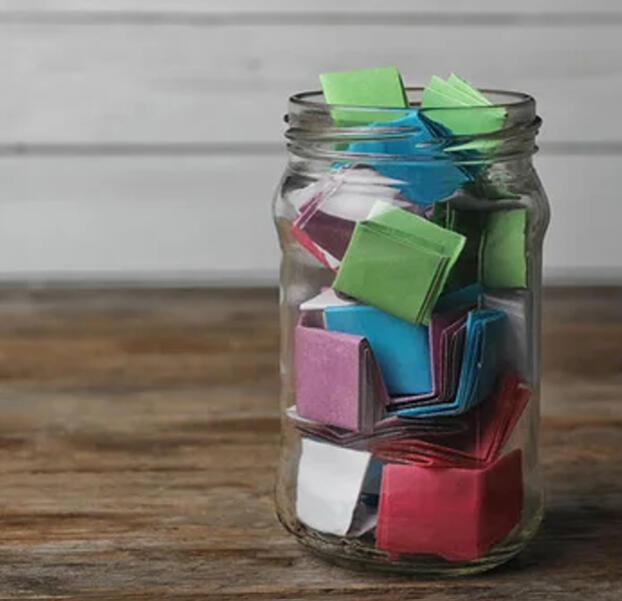
The jar of tools can feel more accessible when overwhelmed, as there's no decision of what to do, and no need to read a long list. You can just pick one out at a time, then put them all back when done. Alternatively just save this to your browser and find what works for you.
Helplines
General
Call Samaritans on 116 123 (free)
Samaritans Welsh Language Line on 0808 164 0123 (7pm–11pm every day)
Text SHOUT to 85258 (confidential 24/7 text service)
SANEline on 0300 304 7000 (4.30pm–10pm every day).
National Suicide Prevention Helpline UK on 0800 587 0800 (6pm to midnight every day). If you're unable to connect to the main number you can call 0800 689 0880.
Call or text the 988 Lifeline at 988 or chat at 988Lifeline.org
CALM on 0800 58 58 58 (5pm–midnight every day) if you're affected by suicide or suicidal thoughts. Or if you prefer not to speak on the phone, you could try the CALM webchat service.
For people under 35 - Papyrus HOPELINEUK on 0800 068 4141 (24 hours, 7 days a week), email [email protected] or text 07786 209 697.
If you live in Wales, you can call the Community Advice and Listening Line (C.A.L.L.) on 0800 132 737 (open 24/7) or email [email protected].
Sexual Abuse Helplines
The Survivors Trust – National umbrella agency offering specialist rape and sexual abuse support services and national helpline.
RAINN - Anti-sexual violence nonprofit, provides 24/7 crisis support, prevention education, and public policy advocacy to help survivors, stop harm, and enable justice.
The National Association for People Abused in Childhood (NAPAC) - Supports adult survivors of any form of childhood abuse. Offers a helpline, email support and local services.
LGBTQIA+ / GSRD Helplines
Switchboard: LGBT+ Helpline / Online chat: https://switchboard.lgbt
Call 866-488-7386 or text START to 678678 to reach a Trevor Project counselor for LGBTQIA+ youth.
NHS crisis line: Call 111, select option 2 to access a 24/7 helpline offering urgent mental health support.
Self-Harm Alternatives
(Harm minimization techniques are short-term solutions, just to get through the strongest urge. Some people find them helpful, others find they don’t work and that other techniques are better. You know you best, so do whatever keeps you the safest.)
Snap rubber bands on your wrist
Listen to music and dance energetically
Pinch yourself
Draw or paint red lines on your skin
Hold or squeeze ice cubes as hard as you can
Eat sour or spicy sweets
Squeeze a stress ball
Go for a walk, run, or bike ride
Punch a pillow or cushion
Scream into a pillow
More resources can be found Here
Reducing Risk
Wrap up usual self-harm tools in cellotape so it takes you longer to get to them, giving you time to regulate, alternatively, freeze them within a tub of water in the freezer.
Develop a safety plan in therapy or with the support of a trusted person.
If self-harm feels unavoidable, ensure that you have cleaned any tools thoroughly and have access to antiseptic and necessary first aid for aftercare.